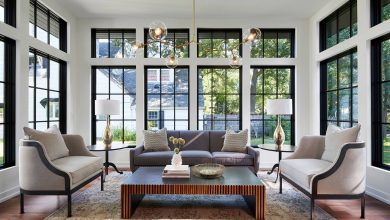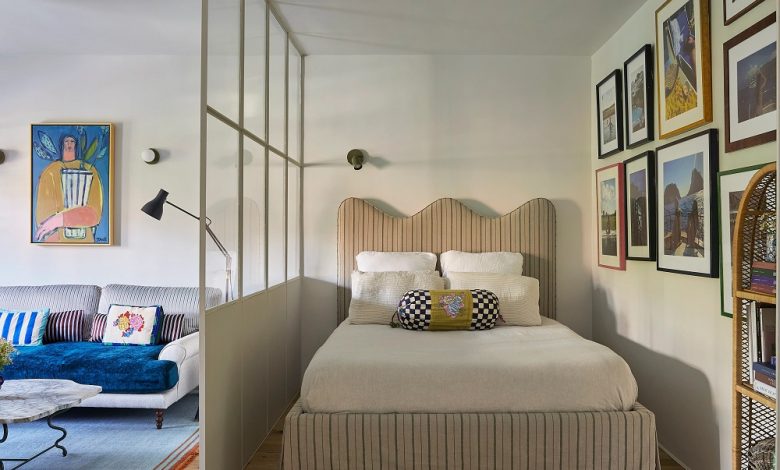
Designing a small bedroom requires careful planning, smart furniture choices, and efficient use of vertical and hidden space. A well arranged compact bedroom can feel comfortable, organized, and visually spacious without compromising functionality. The right layout strategies help improve movement, storage capacity, and visual balance while maintaining a calm and restful atmosphere.
This guide explains practical solutions that transform limited bedroom space into a functional and visually pleasing environment.
Understanding the Importance of Layout in Small Bedrooms
In compact rooms, layout decisions affect both comfort and usability. Even small adjustments in furniture placement can improve movement flow and reduce visual clutter.
An efficient layout should:
- Maintain clear walking paths
- Support easy access to storage
- Allow natural light movement
- Avoid overcrowding with unnecessary furniture
Thoughtful planning ensures every element serves a purpose.
Choosing the Right Bed Position
The bed is the central feature of any bedroom and determines how the rest of the space functions.
Effective bed placement ideas include:
- Positioning the bed against the longest wall
- Keeping one or both sides accessible when possible
- Placing the bed near natural light sources without blocking windows
- Using corner placement in extremely compact layouts
Correct positioning improves circulation and visual balance.
Selecting Space Saving Bed Designs
Beds with built in functionality help maximize available floor area.
Practical options include:
- Storage beds with drawers underneath
- Wall mounted foldable beds
- Platform beds with hidden compartments
- Loft beds for vertical space optimization
These solutions reduce the need for additional storage furniture.
Using Vertical Space Efficiently
Vertical storage is essential when floor area is limited. Walls provide valuable storage opportunities without making the room feel crowded.
Effective vertical storage solutions include:
- Floating shelves above study or bedside areas
- Tall wardrobes with upper compartments
- Wall mounted lighting instead of table lamps
- Hanging organizers behind doors
Vertical planning expands storage without shrinking movement space.
Choosing Multi Functional Furniture
Furniture that serves more than one purpose improves usability in compact bedrooms.
Useful multi functional furniture options include:
- Foldable study desks
- Storage benches at bed ends
- Bedside tables with drawers
- Convertible seating units
Each multi use piece reduces clutter and increases efficiency.
Optimizing Wardrobe Placement
Wardrobes should support storage needs without blocking movement or light flow.
Smart wardrobe layout ideas include:
- Sliding door wardrobes instead of swing doors
- Built in wardrobes aligned with wall corners
- Mirror finished wardrobe panels for visual expansion
- Full height storage units for maximum capacity
Proper wardrobe placement prevents the room from feeling cramped.
Using Light Colors to Enhance Spaciousness
Color selection influences how large or small a bedroom appears. Light tones reflect natural light and create openness.
Recommended color strategies include:
- Soft white walls for brightness
- Neutral bedding for visual calmness
- Pale wood furniture finishes
- Limited contrast between wall and furniture colors
Consistent light tones improve visual continuity.
Integrating Mirrors for Depth Enhancement
Mirrors visually double perceived space when placed thoughtfully.
Effective mirror placement includes:
- Opposite windows to reflect natural light
- On wardrobe doors
- Above compact dressing units
- Along narrow wall sections
Mirrors create brightness while improving spatial perception.
Maintaining Clear Walking Paths
Movement flow determines whether a small bedroom feels comfortable or restrictive.
To maintain easy circulation:
- Avoid placing furniture near entry pathways
- Keep bedside access simple and direct
- Leave open corners whenever possible
- Reduce decorative floor objects
Clear paths improve comfort and usability.
Reducing Visual Clutter Through Smart Organization
Clutter makes small bedrooms feel smaller than they actually are. Organized storage improves both appearance and functionality.
Effective organization techniques include:
- Using concealed storage containers
- Limiting decorative accessories
- Keeping surfaces mostly clear
- Grouping similar items together
Organized spaces feel calmer and more spacious.
Selecting Compact Lighting Solutions
Lighting choices influence both functionality and perceived room size.
Suitable lighting solutions include:
- Wall mounted reading lights
- Slim ceiling fixtures
- Under shelf lighting strips
- Corner floor lighting where needed
Compact lighting preserves surface space while improving visibility.
Incorporating Minimal Decorative Elements
Decoration should support comfort without overwhelming the layout.
Balanced decorative choices include:
- One statement artwork piece
- Neutral curtains allowing natural light
- Textured cushions instead of bulky accessories
- Simple rugs aligned with furniture placement
Minimal decoration keeps the room visually open.
Frequently Asked Questions
What is the ideal minimum walkway space around a bed in small bedrooms
A walkway width of about sixty centimeters helps ensure comfortable movement without restricting access to essential furniture.
Are wall mounted desks suitable for compact bedrooms
Yes. Wall mounted desks save floor space and can be folded when not in use, making them ideal for flexible layouts.
How can ceiling height be used effectively in small bedrooms
Tall wardrobes, vertical shelving, and loft storage units help utilize ceiling height efficiently without affecting floor movement.
Do darker floor finishes make small bedrooms look smaller
Darker flooring can work well if balanced with lighter walls and adequate lighting that maintains brightness within the room.
Is it better to avoid bedside tables in very small bedrooms
Slim wall mounted shelves or compact floating tables can replace traditional bedside tables while preserving usable space.
How can corner areas be utilized in compact bedrooms
Corner shelves, corner wardrobes, or reading nooks help transform unused corners into practical storage or relaxation zones.
Can layered bedding improve the appearance of small bedrooms
Yes. Coordinated layered bedding adds visual depth and comfort without requiring additional furniture or accessories.