Plain walls can make a room feel flat and unfinished. Interior wall moulding (known as บัวผนังภายใน in Thai) adds depth, shadow and structure without major building work. Across Thailand, more homeowners now use it to give condos, townhouses and detached houses a tailored, polished look.
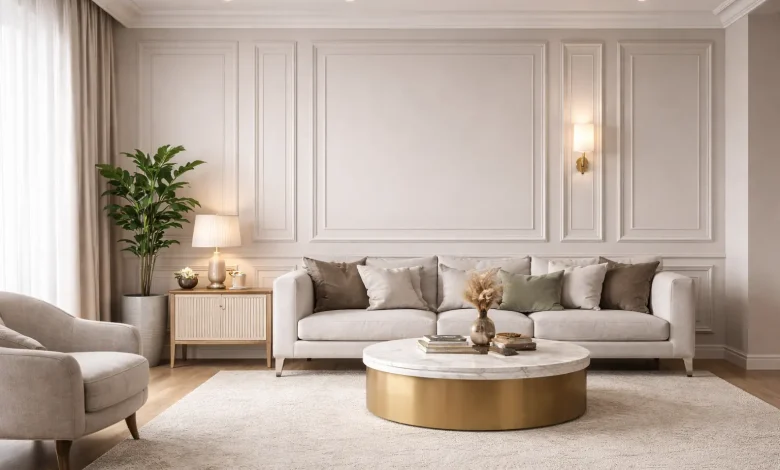
Moulding refers to shaped strips fixed to walls or ceilings to frame, divide or decorate a surface. Common types include box or panel moulding, chair rails, cornices and skirting boards. Each one creates lines that guide the eye and add character. A simple grid of panels can turn a bare living room wall in a Bangkok high-rise into a strong focal point.
Thailand’s climate shapes every choice you make. Heat, humidity and termites all affect how interior wall mouldings perform over time. Pick the wrong material and you may face warping, cracking or pest damage within a few years.
Choose the Right Material
Match the material to the room and the climate:
- Polyurethane (PU): Lightweight, moisture-resistant and easy to cut. It holds fine detail well and suits most rooms.
- PVC: Fully waterproof and termite-proof. Use it in bathrooms, kitchens and ground-floor rooms prone to damp.
- Gypsum or plaster: Gives sharp, classic profiles. Best for cornices in air-conditioned rooms with stable humidity.
- Solid wood: Teak and other hardwoods look warm and traditional. Treat them against termites and seal them well.
- MDF: Affordable, but it swells when wet. Limit it to dry, well-ventilated spaces.
Match the Style to Your Space
Modern Thai condos often have low ceilings and compact rooms. Keep profiles slim and layouts simple. Thin, flat-faced panel moulding painted in the wall colour adds texture without crowding the space.
For a Thai-inspired interior, take cues from traditional teak houses. Dark timber frames against white or cream walls echo the look of classic central Thai and Lanna homes. Some homeowners add carved inserts with kanok flame motifs for a subtle cultural touch.
Older shophouses in areas such as Bangkok’s Charoen Krung or Phuket Old Town suit bolder profiles. Deep cornices and wide panel frames complement high ceilings and tall shuttered windows.
Plan Before You Install
Careful planning prevents costly mistakes. Follow these steps:
- Measure each wall and note the positions of sockets, switches and air-conditioning units.
- Sketch the layout on paper, keeping panel sizes even and spacing consistent.
- Mark the design on the wall with painter’s tape and view it from across the room.
- Leave equal gaps between panels, typically 5 to 10 centimetres.
- Use a strong construction adhesive suited to humid conditions, plus finishing nails where needed.
Finish with the Right Paint
Fill joints and nail holes with flexible caulk. This allows for slight movement as temperatures change. Choose a mould-resistant, semi-gloss or satin paint. These finishes wipe clean easily and stand up better to humidity than matt paint.
For a modern look, paint the moulding the same colour as the wall. For contrast, pick a shade one or two tones darker or lighter.
Decorative moulding is one of the most practical ways to add character to a Thai home. Choose climate-ready materials, plan the layout with care and finish it properly. Even a single feature wall can change how a whole room looks and feels.