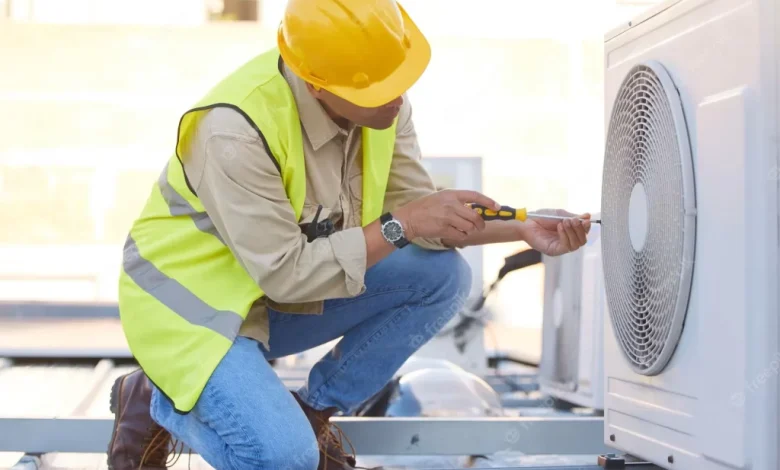
Heating and cooling equipment is an important part of a comfortable home. Whether you need a new air conditioner, a heating system repair, or routine maintenance, choosing the right contractor matters.
HVAC work involves electrical connections, mechanical components, refrigerants, and system controls. Poor installation or incorrect repairs can lead to performance problems and unnecessary expenses.
With several contractors available, homeowners should take time to compare their options. A little research can make it easier to find a professional who understands the property’s requirements.
Check Licensing and Insurance
Start by checking whether the contractor has the required license for the work being performed.
Licensing requirements vary by location. In California, homeowners can use the Contractors State License Board website to check contractor license information.
Insurance is equally important. Ask whether the contractor carries suitable liability coverage and workers’ compensation insurance where required.
These checks help homeowners understand whether the business is properly prepared to carry out the proposed work.
Look for Relevant HVAC Experience
Not every HVAC project is the same.
Installing a new central air conditioner may require different experience from repairing a heating system or installing a ductless mini split.
Ask whether the contractor has experience with the type of equipment involved in your project.
If you own an older property, mention any special concerns about existing ductwork, electrical connections, or installation space.
A contractor who understands the project requirements can provide more useful recommendations.
Read Customer Reviews
Online reviews can provide information about other customers’ experiences.
Look for comments about communication, punctuality, workmanship, and how the contractor handles problems.
Do not rely on a single review. Read several comments across different platforms to get a broader understanding.
Pay attention to how the business responds to complaints. Professional communication can be an important part of customer service.
Reviews should support your research rather than replace license checks and written estimates.
Ask for a Detailed Written Estimate
Before approving major HVAC work, request a written estimate.
The document should explain the proposed work, equipment details, labor charges, and any additional costs.
For an installation project, check whether the estimate includes equipment removal, electrical work, refrigerant connections, drainage, duct modifications, and testing.
Compare estimates based on the complete scope rather than selecting the lowest price automatically.
A very low estimate may leave out important work or include equipment that does not suit your property.
Understand Warranty Coverage
HVAC equipment may have a manufacturer’s warranty covering certain components. Contractors may also provide separate labor coverage.
Ask what is included and how long the protection lasts.
Find out whether product registration is necessary and whether specific maintenance conditions apply.
Keep copies of the warranty documents and installation records in a safe place.
Ask About Maintenance Services
A heating and cooling system needs attention after installation.
Ask whether the contractor provides maintenance services and what a routine visit includes.
Depending on the equipment, maintenance may involve checking filters, coils, electrical connections, drainage, airflow, and system controls.
A clear maintenance plan can help homeowners understand how to care for their equipment.
Evaluate Communication and Customer Service
A professional contractor should be willing to explain the proposed work in simple language.
Pay attention to how questions are answered. The contractor should explain available options, possible limitations, and any concerns identified during an inspection.
Avoid making decisions under pressure. Take enough time to compare proposals and understand what you are purchasing.
Good communication is particularly important when the project involves expensive equipment or major changes to the property.
Compare Equipment Recommendations
A contractor should not recommend equipment based only on price or brand name.
The cooling or heating capacity must match the property’s requirements. A proper assessment should consider insulation, room dimensions, windows, and other factors.
Ask why a particular system is being recommended and whether there are alternative options.
Understanding these details can help you make a more informed purchase.
Research Local HVAC Providers
Homeowners can start their research by looking at businesses that provide heating, cooling, repair, and installation services in their area.
For example, Southwest HVAC provides information about air conditioning, heating systems, and ductless heating services.
Review the available service details and compare them with your property’s requirements before making a decision.
Final Thoughts
Choosing an HVAC contractor requires more than comparing prices. Licensing, insurance, experience, customer feedback, written estimates, and warranty coverage all deserve attention.
A reliable contractor should explain the work clearly and recommend equipment that suits the property.
By researching different providers and asking the right questions, homeowners can make better decisions about their heating and cooling projects.