Understanding the Challenges of Small Living Spaces
Small living spaces require thoughtful planning to remain comfortable and visually appealing. Limited square footage often creates challenges related to storage, movement, lighting, and furniture placement. However, simple decor strategies can significantly improve how a compact home feels and functions.
Careful decisions about layout, color selection, and furniture choice can make even modest interiors appear organized, spacious, and inviting.
Choose Light and Neutral Color Palettes
Color has a strong influence on how large or small a room appears. Light tones reflect more natural light and create an open atmosphere that visually expands the space.
Effective color choices include:
- Soft white and cream shades
- Light grey tones
- Beige and warm neutrals
- Pale pastel accents
Using consistent wall colors across connected areas also prevents visual interruptions and helps rooms feel larger.
Select Multi Functional Furniture
Furniture that serves more than one purpose improves efficiency in compact homes. It reduces clutter while maximizing usability.
Practical options include:
- Sofa beds that support seating and sleeping needs
- Storage ottomans that combine seating and organization
- Foldable dining tables for flexible use
- Wall mounted desks that save floor space
These solutions help maintain comfort without overcrowding interiors.
Use Vertical Space Effectively
Small rooms often have unused wall height that can support additional storage or display elements. Vertical planning helps keep floors clear and improves movement within the space.
Ways to utilize vertical areas include:
- Installing wall mounted shelves
- Using tall storage cabinets
- Hanging decorative elements at eye level
- Adding floating bookcases for lightweight storage
Vertical organization keeps essential items accessible without reducing walking space.
Improve Natural Lighting Conditions
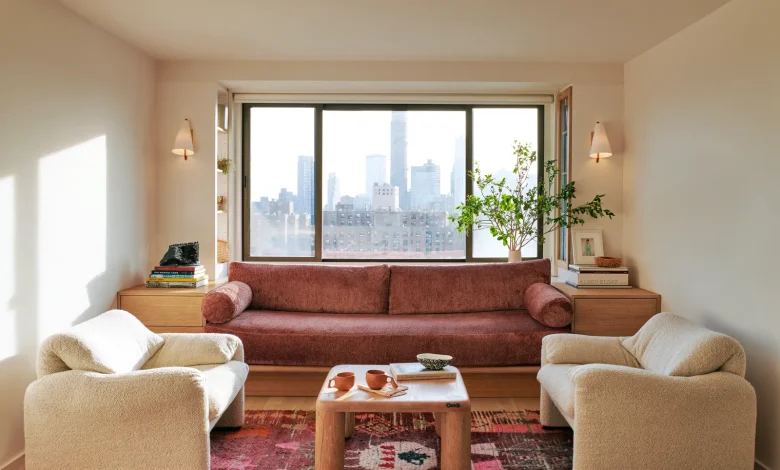
Natural light makes interiors appear larger and more welcoming. Allowing sunlight to move freely through the room enhances visual openness and comfort.
To improve lighting conditions:
- Use sheer curtains instead of heavy drapes
- Keep windows unobstructed by large furniture
- Choose reflective surfaces such as glass tables
- Position mirrors opposite light sources
These adjustments brighten interiors without structural changes.
Add Mirrors to Expand Visual Depth
Mirrors create the impression of additional space by reflecting light and surrounding elements. When placed strategically, they increase brightness and visual balance.
Useful placement strategies include:
- Opposite windows to reflect daylight
- Behind seating areas for depth enhancement
- Along narrow corridors to widen perception
- Near entry areas to improve openness
Mirrors are simple additions that produce noticeable spatial improvement.
Keep Furniture Proportional to Room Size
Oversized furniture reduces mobility and creates visual heaviness. Selecting pieces that match the room scale maintains balance and usability.
Helpful guidelines include:
- Choosing slim profile seating designs
- Avoiding bulky armrests and oversized tables
- Leaving visible floor space around furniture
- Maintaining clear walking paths between areas
Proper proportions improve both appearance and comfort.
Reduce Visual Clutter Through Smart Organization
Clutter makes small rooms feel cramped even when space is available. Organized storage improves clarity and relaxation.
Effective organization strategies include:
- Using concealed storage containers
- Limiting decorative accessories
- Keeping surfaces mostly clear
- Grouping similar items together
Simple organization habits support a cleaner and calmer environment.
Define Zones Within a Single Room
Many small homes combine multiple functions into one space. Creating clear zones helps maintain structure without building physical partitions.
Examples include:
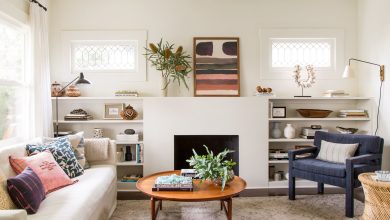
- Using rugs to define seating areas
- Positioning lighting for reading corners
- Arranging shelves to separate workspaces
- Placing compact tables between functional sections
Defined zones improve usability while preserving openness.
Introduce Light Weight Decorative Elements
Decor plays an important role in creating personality within compact interiors. Choosing light visual elements avoids overwhelming the space.
Suitable decorative choices include:
- Small framed artwork collections
- Indoor plants placed near windows
- Neutral textured cushions
- Minimal wall shelves with curated objects
These additions enhance character without reducing available space.
Maintain Consistent Design Flow Throughout the Space
Consistency helps small homes feel unified and balanced. When materials and colors change too frequently, interiors appear fragmented.
Ways to maintain visual flow include:
- Repeating similar color tones across rooms
- Using matching wood finishes where possible
- Selecting coordinated textiles and cushions
- Keeping flooring consistent between connected spaces
A unified design approach strengthens spatial continuity.
Frequently Asked Questions
How can renters decorate small spaces without permanent changes
Renters can use removable wall hooks, temporary wallpaper, portable shelving units, and freestanding storage furniture to personalize interiors without altering the structure.
What type of flooring works best for compact interiors
Light colored flooring with minimal pattern variation helps create continuity and makes rooms appear more spacious.
Are open shelves suitable for small living spaces
Open shelves can work well when styled carefully with limited items, but overcrowding them may increase visual clutter.
How can lighting layers improve compact interiors
Combining ceiling lights, wall lighting, and table lamps improves depth perception and makes rooms feel more comfortable during different times of day.
Do transparent furniture materials help small rooms
Glass and acrylic furniture reduce visual heaviness and allow light to move freely across the space.
How can artwork be arranged in small rooms effectively
Arranging smaller artworks in grouped compositions creates interest without overwhelming wall surfaces.
What role do textiles play in decorating compact homes
Textiles such as rugs, curtains, and cushions add warmth and softness while helping define zones and maintain visual balance.