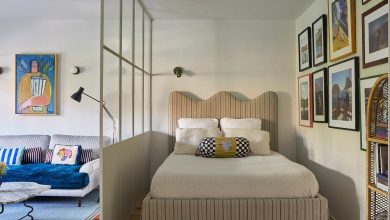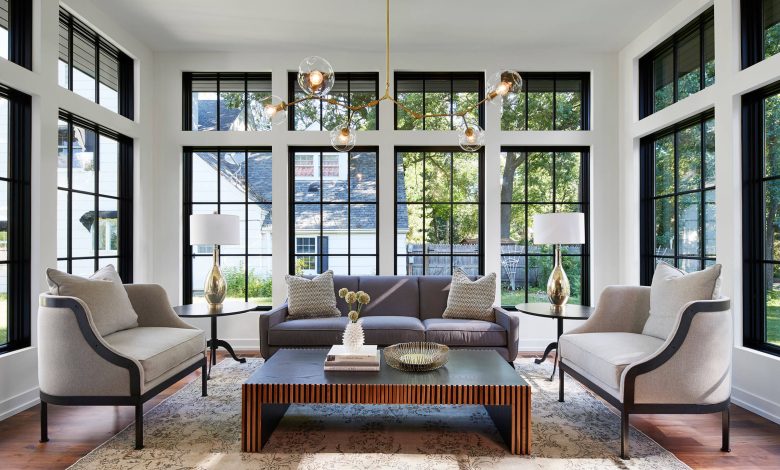
A modern living room is more than a visually attractive space. It reflects comfort, functionality, and thoughtful planning that supports everyday living. Clean layouts, balanced colors, practical furniture, and well placed lighting create an environment that feels open, welcoming, and organized.
Modern interior design focuses on simplicity without sacrificing warmth. The goal is to create a living room that feels intentional rather than crowded, stylish rather than decorative for its own sake.
Understanding Modern Living Room Design
Modern living room design emphasizes clarity, structure, and purposeful elements. Every item should contribute to usability and visual harmony.
Key characteristics include:
- Clean furniture silhouettes
- Neutral color foundations
- Natural lighting emphasis
- Functional storage solutions
- Minimal but meaningful decoration
When these features work together, the space becomes both comfortable and visually balanced.
Choosing the Right Color Palette
Color establishes the mood of a living room before furniture or accessories are even noticed.
Popular modern color directions include:
- Soft neutrals such as beige, warm grey, and off white
- Earth inspired tones like olive, clay, and sand
- Monochrome combinations using black, white, and charcoal
- Muted accent colors such as navy or forest green
A neutral base allows flexibility when updating cushions, artwork, or rugs later.
Selecting Functional and Stylish Furniture
Furniture defines how the living room works on a daily basis. Modern interiors favor pieces that combine comfort with simplicity.
Consider these furniture strategies:
- Choose low profile sofas for a spacious appearance
- Use sleek coffee tables with hidden storage
- Select lightweight chairs that can be moved easily
- Avoid oversized furniture that restricts movement
Furniture should support conversation and relaxation without overwhelming the room.
Using Lighting to Create Atmosphere
Lighting shapes both functionality and visual character. A modern living room benefits from layered lighting rather than relying on a single source.
Combine different lighting types such as:
- Ceiling lighting for general illumination
- Floor lamps near seating areas for reading
- Wall lighting for subtle visual depth
- Table lamps for warmth during evening hours
Layered lighting improves flexibility throughout the day.
Creating a Strong Focal Point
Every modern living room needs a visual anchor that draws attention naturally.
Common focal point options include:
- A textured accent wall
- A large artwork piece
- A fireplace feature
- A television wall with built in storage
The focal point should guide furniture placement and create structure within the layout.
Incorporating Smart Storage Solutions
Clutter quickly disrupts the clean look of modern interiors. Thoughtful storage keeps the room organized without reducing style.
Effective storage ideas include:
- Built in shelving units
- Hidden storage ottomans
- Wall mounted cabinets
- Floating shelves for display and storage balance
Storage works best when integrated seamlessly into the design.
Adding Texture for Visual Interest
Modern spaces rely on texture to prevent the room from feeling flat or unfinished.
Texture can be introduced through:
- Fabric upholstery
- Wooden surfaces
- Natural fiber rugs
- Linen curtains
- Stone or textured wall finishes
Combining textures creates depth while maintaining simplicity.
Integrating Natural Elements
Natural materials soften modern interiors and make them feel more inviting.
Examples of natural integration include:
- Indoor plants placed near windows
- Wooden furniture accents
- Stone decorative pieces
- Cotton or linen textiles
These elements create warmth without complicating the design.
Optimizing Layout for Comfort and Movement
A well planned layout ensures the living room supports both relaxation and interaction.
Layout planning tips include:
- Maintain clear walking paths between furniture pieces
- Position seating toward the main focal point
- Avoid blocking windows with large furniture
- Keep frequently used items within reach
A thoughtful layout improves usability without changing the room size.
Choosing the Right Decorative Elements
Decoration completes the living room but should remain intentional and restrained.
Suitable decorative additions include:
- Framed artwork that matches the color palette
- Sculptural lighting fixtures
- Minimalist vases
- Layered cushions with subtle contrast
Decoration works best when it enhances rather than dominates the space.
Making Small Living Rooms Look Modern and Spacious
Modern design techniques are especially effective in compact homes.
To create the feeling of space:
- Use light colored walls
- Select furniture with visible legs
- Add mirrors to reflect light
- Keep window coverings simple and airy
- Limit decorative accessories
These adjustments help smaller rooms feel open and comfortable.
Maintaining Consistency Throughout the Living Room
Consistency ensures the room feels cohesive rather than assembled from unrelated pieces.
Maintain harmony by:
- Repeating materials across furniture surfaces
- Coordinating metal finishes
- Keeping color tones balanced
- Matching lighting styles across the space
Consistency strengthens the overall visual identity of the room.
Frequently Asked Questions
How often should a modern living room be updated
Most modern living rooms benefit from minor updates every one to two years. Larger changes such as furniture replacement usually occur every five to seven years depending on wear and lifestyle needs.
What flooring works best in a modern living room
Wood flooring, engineered wood, polished tiles, and large format stone surfaces are commonly used because they support clean visual lines and long term durability.
Can modern living rooms include traditional elements
Yes. Carefully selected traditional pieces such as carved tables or classic artwork can add character when balanced with simple modern furniture.
What size rug is suitable for a modern living room
A rug should be large enough for at least the front legs of sofas and chairs to rest on it. This helps visually connect the seating arrangement.
Are dark colored living rooms suitable for modern homes
Dark colors can work well when balanced with adequate lighting, reflective surfaces, and lighter furniture elements that prevent the space from feeling heavy.
How can technology be integrated into modern living rooms
Technology can be incorporated through wall mounted screens, concealed wiring, smart lighting systems, and hidden charging stations that maintain a clean appearance.
What type of curtains suit modern living rooms best
Lightweight fabrics in neutral tones such as linen or cotton blends work well because they allow natural light while maintaining a refined look.