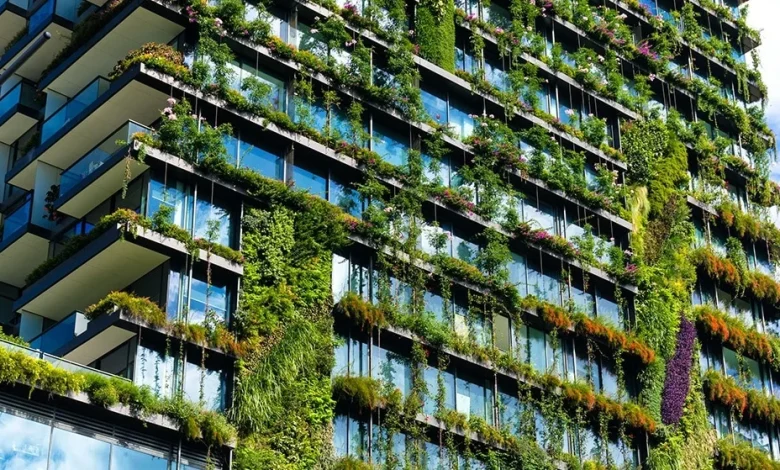
Introduction to Sustainable Urban Architecture
Sustainable architecture in urban environments focuses on designing buildings and public spaces that reduce environmental impact while improving quality of life for residents. As cities continue to expand, thoughtful architectural strategies are essential for managing energy consumption, conserving natural resources, and supporting long term ecological balance.
Urban sustainability is not limited to using green materials. It involves climate responsive planning, efficient infrastructure, reduced emissions, and the integration of natural systems into built environments. When applied correctly, these principles help cities remain livable, resilient, and economically viable.
Understanding the Need for Sustainability in Cities
Rapid urbanization has increased pressure on land, water, and energy resources. Dense development without environmental consideration leads to pollution, heat buildup, and infrastructure strain.
Sustainable architecture addresses these issues by:
- Reducing energy consumption in buildings
- Supporting efficient land use planning
- Improving air quality and thermal comfort
- Encouraging renewable energy adoption
- Enhancing public health through better design
These strategies help cities adapt to population growth without compromising environmental stability.
Energy Efficient Building Design
Energy performance is one of the most important aspects of sustainable urban architecture. Buildings account for a large share of energy use in cities, making efficiency a primary design goal.
Key strategies include:
- Orienting buildings to maximize natural daylight
- Using high performance insulation materials
- Installing energy efficient glazing systems
- Integrating solar panels into rooftops
- Designing shaded facades to reduce heat gain
These techniques lower operational costs while reducing dependence on non renewable energy sources.
Climate Responsive Architectural Planning
Urban architecture must respond to local climate conditions rather than rely on universal design solutions. Climate sensitive buildings perform better and require less artificial heating and cooling.
Important approaches include:
- Designing cross ventilation for improved airflow
- Using thermal mass to regulate indoor temperatures
- Incorporating shaded courtyards in dense neighborhoods
- Selecting regionally suitable construction materials
- Planning building orientation based on sun path analysis
Climate responsive planning supports long term comfort with minimal energy demand.
Efficient Land Use and Compact Development
Limited land availability in cities makes efficient land use essential. Compact development reduces transportation demand and supports shared infrastructure systems.
Effective planning methods include:
- Encouraging mixed use developments combining residential and commercial functions
- Supporting pedestrian friendly street networks
- Promoting transit oriented neighborhoods
- Preserving open public spaces within dense areas
- Preventing uncontrolled urban expansion
These measures improve accessibility while reducing environmental stress.
Sustainable Material Selection
Material choice strongly influences environmental performance throughout a building lifecycle. Sustainable architecture prioritizes materials with lower ecological impact and longer durability.
Common practices include:
- Using locally available construction materials
- Selecting recycled or renewable resources
- Reducing construction waste through modular systems
- Choosing materials with low embodied energy
- Preferring long lasting structural components
Responsible material selection supports resource conservation and reduces maintenance needs.
Water Conservation Strategies
Water scarcity is a growing concern in urban regions. Sustainable architecture includes systems that reduce consumption and improve water reuse.
Key solutions include:
- Rainwater harvesting for non potable uses
- Greywater recycling for landscape irrigation
- Low flow plumbing fixtures in residential buildings
- Permeable paving surfaces in outdoor areas
- Green roofs supporting stormwater absorption
These strategies strengthen urban water resilience.
Integration of Green Spaces in Urban Design
Urban greenery improves environmental quality while enhancing social wellbeing. Trees, parks, and planted terraces contribute to healthier microclimates.
Benefits of integrating vegetation include:
- Reduction of urban heat island effects
- Improved air quality in dense neighborhoods
- Enhanced biodiversity within city environments
- Increased psychological comfort for residents
- Better stormwater management performance
Green infrastructure is a key element of sustainable city planning.
Public Transport Oriented Development
Transportation planning directly affects environmental sustainability. Urban architecture should support mobility systems that reduce dependence on private vehicles.
Important planning principles include:
- Designing walkable neighborhoods around transit hubs
- Providing bicycle friendly infrastructure
- Locating residential areas near employment centers
- Encouraging mixed use zoning patterns
- Supporting shared transportation facilities
Efficient mobility systems reduce pollution and improve accessibility.
Smart Technologies Supporting Sustainable Architecture
Digital systems enhance building efficiency by monitoring energy performance and optimizing resource use.
Examples include:
- Automated lighting control systems
- Smart temperature regulation technologies
- Energy monitoring sensors for performance tracking
- Intelligent water management solutions
- Integrated building management platforms
Technology allows buildings to adapt to changing urban conditions efficiently.
Social Sustainability in Urban Architecture
Sustainable architecture also addresses community wellbeing and social inclusivity. Cities function better when built environments support diverse populations.
Social sustainability strategies include:
- Designing accessible public spaces for all users
- Providing affordable housing opportunities
- Supporting community interaction through shared areas
- Improving safety through thoughtful street planning
- Preserving cultural identity within development projects
Balanced development strengthens long term urban stability.
Long Term Benefits of Sustainable Urban Architecture
Cities that adopt sustainable architectural principles experience measurable improvements across multiple sectors.
Major benefits include:
- Lower infrastructure maintenance costs
- Improved environmental performance
- Increased property value stability
- Reduced energy consumption levels
- Healthier living environments for residents
These advantages support resilient and future ready cities.
Frequently Asked Questions
What makes urban architecture different from rural architecture
Urban architecture responds to higher population density, infrastructure complexity, transportation networks, and limited land availability compared to rural environments.
How does sustainable architecture reduce urban pollution
It reduces pollution through energy efficient systems, renewable energy integration, improved transportation planning, and environmentally responsible construction materials.
Can older city buildings be converted into sustainable structures
Yes existing buildings can be upgraded through insulation improvements, renewable energy installation, water reuse systems, and efficient lighting technologies.
Why are green roofs important in cities
Green roofs reduce heat buildup, manage stormwater, improve air quality, and provide additional insulation for buildings.
How does mixed use development support sustainability
Mixed use planning reduces commuting distances and allows residential, commercial, and social activities to exist within walkable neighborhoods.
Are sustainable buildings more expensive to construct
Initial construction costs may be slightly higher, but long term savings from reduced energy and maintenance expenses often balance the investment.
What role do architects play in sustainable urban development
Architects coordinate environmental strategies, material selection, spatial planning, and infrastructure integration to ensure buildings support long term urban sustainability goals.