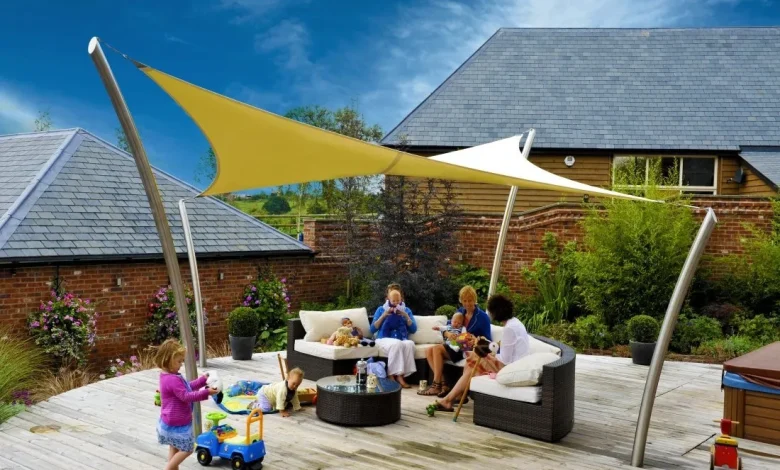
Shade sails are a versatile and stylish solution for creating shaded areas in outdoor spaces. Whether used in residential backyards or public areas, they not only provide relief from harsh sunlight but also add an aesthetic appeal to the environment. With their modern designs and adaptability, shade sails have grown in popularity worldwide. Installing shade sails Sydney-style, with a focus on durability and sophistication, is a great approach regardless of where you are located.
When embarking on the installation process, choosing high-quality materials and ensuring proper placement are vital to achieving maximum functionality and a visually pleasing result. Factors such as climate considerations, aesthetic preferences, and long-term maintenance play an essential role in ensuring your shade sails stand the test of time. Used correctly, they can transform outdoor areas into inviting spaces that are both practical and stylish.
Step 1: Assess Your Space
Before purchasing and installing shade sails, start by evaluating the area where you plan to set them up. Consider how the space is used, the angle of the sun throughout the day, and whether additional shade might be required in adjoining areas. The versatility of shade sails Sydney exemplifies includes using different geometric shapes to accommodate curved layouts or challenging outdoor configurations. Also, measure the dimensions of the area to determine the required size and scope of the installation.
Key details to note in this stage include:
The position of existing structures that could act as anchor points (walls, poles, trees).
Any potential obstructions like cables or overhanging branches.
How you want to optimise shade without blocking air circulation or light entirely.
Step 2: Choose the Right Materials
The durability of your shade sails heavily depends on the materials you select. Premium fabrics with UV protection, like HDPE (high-density polyethylene), are highly recommended. These materials resist fading, tearing, and mould, qualities that are crucial for ensuring longevity even in harsh weather. Look for options treated to resist water while allowing airflow, as this prevents trapped heat underneath the sails.
Equally important is selecting corrosion-resistant fixtures for attaching the sails. Components such as stainless steel or galvanised hardware work best in coastal areas or regions prone to humidity. Combining sturdy materials with the right fittings ensures the structure remains stable and performs well over time.
Step 3: Design and Layout
The visual appeal of shade sails lies in their customisable design. Opt for a layout that complements the architecture of your space. Triangular and rectangular sails are the most common shapes, but layering multiple shapes can create striking visual patterns. Take into account colour options as well, neutral tones lend themselves well to minimalist designs, whereas bold colours make outdoor areas stand out.
Ensure the structure integrates seamlessly into the area. Install sails with varying angles to give them a dynamic appearance while also ensuring water runoff during rain. The tension applied during installation is critical for maintaining their sleek, taut look.
Step 4: Installation Best Practices
Secure anchor points and ensure the proper distribution of tension across all corners of the sail. Use turnbuckles or tensioning devices for precision, and make adjustments as needed after initial installation to prevent sagging. It’s essential to tilt the sails slightly for water drainage and avoid pooling during rainfall.
For larger setups, consider consulting professionals who can advise on structural planning or help secure necessary permits for public installations. Above all, anchor points should be strong enough to handle pressure from the fabric and the elements.
Maintenance and Care
After installation, regular maintenance will ensure your shade sails remain functional and attractive. Periodically clean the fabric using mild soap and water to prevent grime build-up. Check bolts and tension components to ensure nothing has loosened over time. If your region experiences extreme weather such as storms or snow, consider removing the sails temporarily to extend their lifespan.
Installing durable and stylish shade sails can significantly enhance outdoor comfort and aesthetics. By considering the right materials, design, and installation techniques, you can create attractive shaded spaces that remain useful for years to come. Whether you draw inspiration from shade sails Sydney or adapt ideas to your climate and tastes, careful planning and maintenance are all it takes to achieve great results.