Electricity is one of the largest operating costs for Thai factories, warehouses, hotels and shopping centres. Grid tariffs include a fuel adjustment charge (Ft) that the Energy Regulatory Commission reviews every four months, so bills can rise with little warning. To gain more control over this expense, many firms now turn to a private PPA (called สัญญา private ppa in Thai).
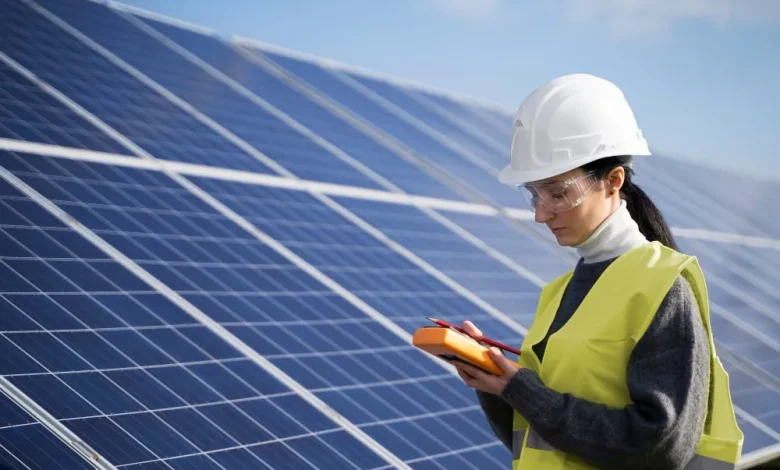
A power purchase agreement (PPA) is a long-term contract to buy electricity from a specific source. Under a private solar PPA, an independent developer designs, finances, installs and maintains a solar system on your rooftop, carport or unused land. You pay only for the electricity the system produces, usually at a fixed rate below the grid tariff.
Thailand suits this model well. The country receives strong sunshine all year, with average solar irradiation of around 5 kWh per square metre per day. Peak solar output matches daytime demand from air conditioning, production lines and cold storage. For many businesses, a private PPA turns idle roof space into a steady supply of lower-cost power with no upfront investment.
How a Solar PPA Cuts Costs
Savings come from several sources:
- Lower unit rates: PPA tariffs are often set 10 to 30 percent below the grid rate.
- Price stability: Fixed or capped rates protect you from Ft increases and fuel price swings.
- No capital outlay: The developer funds the equipment, so your cash stays available for core operations.
- No maintenance burden: The provider handles panel cleaning, monitoring, repairs and insurance.
- Lower peak demand: Afternoon solar output can reduce demand charges for sites on Time of Use (TOU) tariffs.
Points to Check Before Signing
A PPA is a long commitment. Review these terms carefully:
- Contract length: Most agreements run 10 to 25 years. Confirm the term fits your lease or long-term site plans.
- Tariff structure: Contracts may use a fixed rate, an annual escalation or a discount linked to the grid tariff. Model each option against your expected consumption.
- Ownership options: Some contracts allow early buyout or transfer the system to you at the end of the term.
- Performance guarantees: Look for a minimum annual output and clear compensation for any shortfall.
- Roof condition: Panels last 25 years or more. Repair or reinforce the roof before installation to avoid costly removal later.
- Permits: Grid connection requires approval from your local electricity authority. Factories may need to amend their operating licence with the Department of Industrial Works, and larger systems may require an Energy Regulatory Commission licence. Clarify which party manages these approvals.
Environmental and Compliance Benefits
Thailand aims for carbon neutrality by 2050 and net zero emissions by 2065. Exporters also face growing pressure from overseas buyers and regulations such as the EU Carbon Border Adjustment Mechanism. On-site solar cuts Scope 2 emissions and supplies verifiable data for sustainability reports. Some agreements also include Renewable Energy Certificates (RECs) to support green claims.
Is a Private PPA Right for Your Business?
A solar PPA works best for sites with:
- High daytime electricity use
- Large, unshaded roofs or open land
- Long-term occupancy plans
- Stable operations over the contract period
Start by reviewing 12 months of electricity bills to understand your load profile. Request proposals from several developers and compare tariffs, contract terms and guarantees side by side. Ask for references from similar Thai sites. With careful planning, a solar PPA can lower your energy costs, stabilise budgets and support your emissions targets for years to come.