Introduction
Pest control plays a vital role in maintaining a healthy home environment. While many people think of pests as little more than a nuisance, they can pose significant health risks by spreading bacteria, triggering allergies, contaminating food, and damaging living spaces. Whether it is rodents, cockroaches, mosquitoes, or flies, unwanted pests can negatively affect the well-being of every member of the household. A proactive pest control plan helps reduce these risks and creates a safer, cleaner place to live.
The Connection Between Pests and Health
Many common household pests carry harmful microorganisms or create conditions that affect human health. Even a small infestation can introduce contaminants into kitchens, bathrooms, and food storage areas.
Health concerns associated with pests include:
- Food contamination
- Bacterial infections
- Allergic reactions
- Asthma triggers
- Insect bites
- Skin irritation
Routine pest control helps reduce exposure to these health hazards.
Rodents and Disease Risks
Mice and rats are among the most concerning household pests because they can contaminate food and surfaces with their urine and droppings.
Rodents may also:
- Damage food packaging
- Spread bacteria
- Chew electrical wiring
- Create unsanitary nesting areas
- Leave unpleasant odors
Regular inspections and prompt pest control treatments help keep rodent populations under control.
Cockroaches and Indoor Allergies
Cockroaches are known to carry bacteria and can worsen allergies and asthma, especially in children and older adults.
Signs of a cockroach infestation include:
- Droppings
- Egg cases
- Musty odors
- Live insects in kitchens or bathrooms
Professional pest control eliminates cockroaches while addressing the conditions that attract them.
Mosquitoes and Outdoor Safety
Mosquitoes are more than a seasonal annoyance. They breed in standing water and can become a serious problem around homes with poor drainage or neglected outdoor areas.
To reduce mosquito activity:
- Remove standing water
- Clean gutters
- Trim overgrown vegetation
- Maintain swimming pools
- Schedule seasonal pest control treatments
Managing mosquito populations improves outdoor comfort and safety.
Flies and Food Contamination
Houseflies frequently land on garbage, animal waste, and decaying materials before entering homes.
They can contaminate:
- Kitchen counters
- Dining tables
- Prepared meals
- Food storage areas
Good sanitation combined with regular pest control helps reduce fly populations and maintain food hygiene.
Bed Bugs and Personal Comfort
Although bed bugs are not known to spread diseases, their bites can cause discomfort, itching, and interrupted sleep.
Common signs include:
- Bite marks on exposed skin
- Small blood stains on bedding
- Dark spots on mattresses
- Live insects hiding in furniture
Early pest control treatment prevents bed bugs from spreading throughout the home.
The Importance of Proper Sanitation
Keeping a clean home is one of the simplest ways to support effective pest control.
Healthy cleaning habits include:
- Washing dishes after meals
- Wiping kitchen surfaces
- Taking out the trash regularly
- Cleaning under appliances
- Storing food in sealed containers
Removing food and water sources makes the home less attractive to pests.
Preventing Pests from Entering the Home
Stopping pests before they enter is often the most effective form of pest control.
Helpful prevention measures include:
- Sealing cracks and gaps
- Installing door sweeps
- Repairing window screens
- Fixing leaking pipes
- Keeping vegetation away from exterior walls
These simple improvements reduce opportunities for pests to invade.
The Value of Professional Pest Control
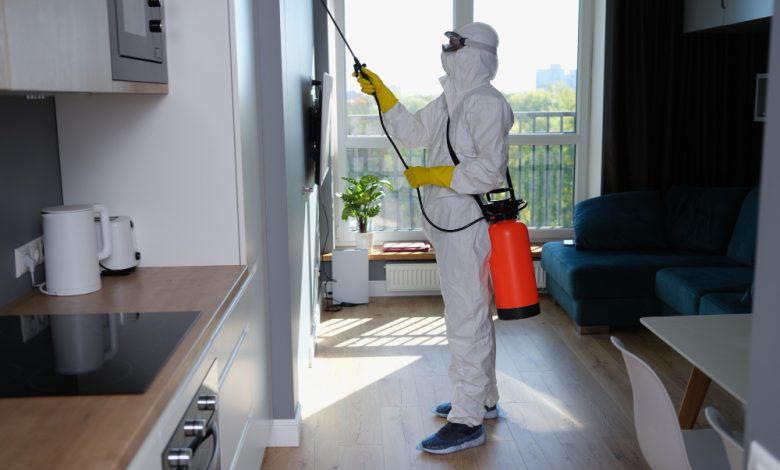
Professional pest control services provide thorough inspections and customized treatment plans based on the specific needs of each property.
Professional services typically include:
- Complete property inspections
- Accurate pest identification
- Safe treatment applications
- Preventive recommendations
- Ongoing monitoring
This comprehensive approach helps eliminate current infestations while reducing the risk of future problems.
Building a Healthier Living Environment
Maintaining a pest-free home requires consistent effort throughout the year.
A long-term pest control plan should include:
- Regular inspections
- Seasonal preventive treatments
- Proper sanitation
- Moisture control
- Routine home maintenance
These practices work together to protect both the home and the people living in it.
Conclusion
Pest control is an essential part of protecting your family’s health. By preventing infestations, reducing contamination, and improving overall home hygiene, effective pest management creates a cleaner and safer living environment. Combining good household habits with professional pest control services provides lasting protection against the many health risks associated with common household pests.
